Behind the Struggle: Vinicius Jr.’s Candid Admission to Real Madrid on Fitness and Form
How Physical Limitations Are Shaping a Star’s Season, and What It Means for His Future

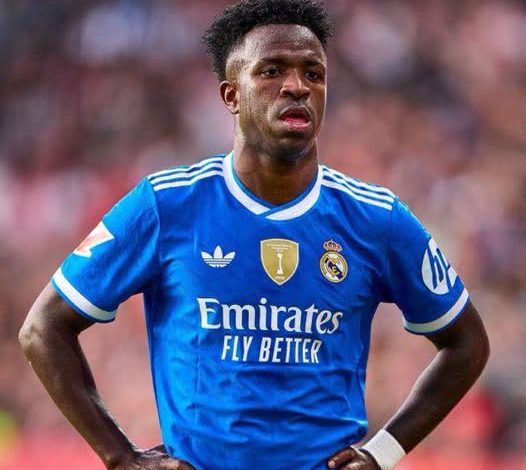
The narrative around a footballer’s dip in form often revolves around tactics, confidence, or external pressure. But sometimes, the reason is refreshingly straightforward, grounded in the very tangible reality of the body. According to reports, Vinicius Jr. has communicated exactly this to Real Madrid brass: his recent performances are intrinsically tied to not being at 100% physical capacity. This admission isn’t an excuse; it’s a key that unlocks a deeper understanding of his current season.
This revelation shifts the conversation. Instead of questioning his decision-making or final ball in isolation, we must view his moments of hesitation, reduced explosiveness, and altered rhythm through the lens of physical limitation. For a player whose game is built on a foundation of dizzying acceleration, relentless high-speed dribbling, and sudden changes of direction, even a minor physical deficit can have a major impact. The electric surge past a full-back, the quick twist to evade a challenge—these are margins measured in centimeters and milliseconds, areas where 95% fitness simply isn’t enough.
The nature of Vinicius’s game makes him uniquely vulnerable to this. His style invites contact, draws fouls, and places immense strain on his musculature. A cycle of minor knocks, niggles, or even the accumulated fatigue from a non-stop calendar since his teenage years can create a persistent state of sub-optimal condition. He may be on the pitch, but without that last gear of sharpness and power, his most potent weapons are blunted.
For Real Madrid, this candid communication is crucial. It moves the issue from the tactical board to the medical and performance departments. It underscores the need for a potential period of managed load, targeted recovery, and perhaps even a strategic pause to reset his physical base. The long-term project with Vini is far too valuable to risk by pushing through a prolonged phase of physical compromise.
Furthermore, this admission speaks to Vinicius’s maturity. He’s not hiding behind clichés; he’s providing a direct, professional assessment of his situation. It shows a player who is in tune with his body and understands the direct correlation between his physical state and his output. This self-awareness is a critical trait for players aiming for the very highest echelons of the sport.
For fans and observers, it’s a call for context. The expectations on Vinicius are astronomically high, often fairly so, given his talent. But this serves as a reminder that players are human engines, not video game avatars with constant, unfluctuating stats. His “dip” may not be a mental or technical regression, but a physical valley that needs navigating.
The road back to the Vinicius that terrifies defenses is now clearly mapped: it runs through the training ground, the physio’s room, and a carefully calibrated plan for recovery. When he finally recovers that full physical edge, the explosiveness, consistency, and joy that define him at his best are likely to return in tandem. This isn’t a story of decline, but one of temporary limitation—and the intelligent management required to overcome it.